Roof Repairs vs Replacement: How to Make the Right Call
Your roof is the most important line of defence your Rockingham home has against the elements. When something goes wrong, whether it's a leak after a winter storm or a few cracked tiles spotted from the driveway, the big question follows quickly: should you repair it or replace the whole thing? Making the wrong call can cost thousands of dollars in unnecessary work or, just as expensively, in repeated patch-ups that never solve the real problem. This guide explains how to weigh up the evidence and decide with confidence.
Why Rockingham Roofs Face Unique Challenges
Rockingham sits on the Perth coastline, and that location shapes how roofs age. Salt-laden sea air accelerates corrosion on metal roofing, fixings, flashings and gutters. Strong afternoon sea breezes in summer and powerful winter storms from the south-west put constant stress on tiles, ridge capping and roof sheeting. Add intense UV exposure, which Western Australia has in abundance, and roofing materials gradually become brittle, faded and less waterproof.
These local conditions mean a roof in Rockingham can age faster than the same roof further inland. Keep this in mind when you read general lifespan figures, because coastal exposure often shortens them, particularly for unpainted or poorly maintained metal products.
Typical Lifespans of Common Roofing Materials
Knowing how old your roof is and what it's made from is the starting point for any repair-or-replace decision. As a general guide:
- Concrete tiles: 30 to 50 years, though the bedding and pointing on ridge caps often fails much sooner and the glazing or colour coat wears with age.
- Terracotta tiles: 50+ years when well maintained, although underlying battens and sarking may need attention earlier.
- Colorbond steel: 30 to 50 years in suitable conditions, but coastal exposure, scratches and trapped moisture can shorten this.
- Zincalume or galvanised iron: 20 to 40 years, with corrosion a particular concern near the coast.
- Asbestos cement sheeting: Found on many older Perth homes. It is well beyond its intended service life and requires licensed professionals for removal.
If your roof is approaching the end of its expected life, replacement usually becomes the more sensible long-term investment, even when the visible damage seems minor.
When Repairs Make Sense
Repairs are often the smart, cost-effective choice when the problem is isolated and the rest of the roof is structurally sound. Consider repairing if:
Damage Is Localised
A handful of cracked or slipped tiles, a small section of damaged sheeting, or a single leak point https://marcoaifp703.currentvale.com/posts/how-to-prevent-water-pooling-on-flat-roofs-in-rockingham can usually be fixed without touching the rest of the roof. Storm damage from a fallen branch is a classic example of a contained problem that's well suited to repair.
Ridge Capping or Flashing Is the Culprit
Many leaks that appear to signal a failing roof actually come from deteriorated ridge capping, cracked pointing, or worn flashings around chimneys, skylights and valleys. Re-bedding and re-pointing ridge caps or replacing flashings is far cheaper than a new roof and can add many years of service.
The Roof Is Relatively Young
If your roof is well within its lifespan and the underlying structure is sound, targeted repairs, combined with regular maintenance, will generally deliver the best value.
Gutters and Drainage Need Attention
Blocked, rusted or sagging gutters can cause water to back up under tiles or eaves. Fixing drainage problems early prevents damage that could otherwise spread to the roof structure and fascia.
When Replacement Is the Better Investment
There comes a point where repair bills stack up and the roof keeps failing in new places. Replacement is usually the wiser choice when you notice the following:
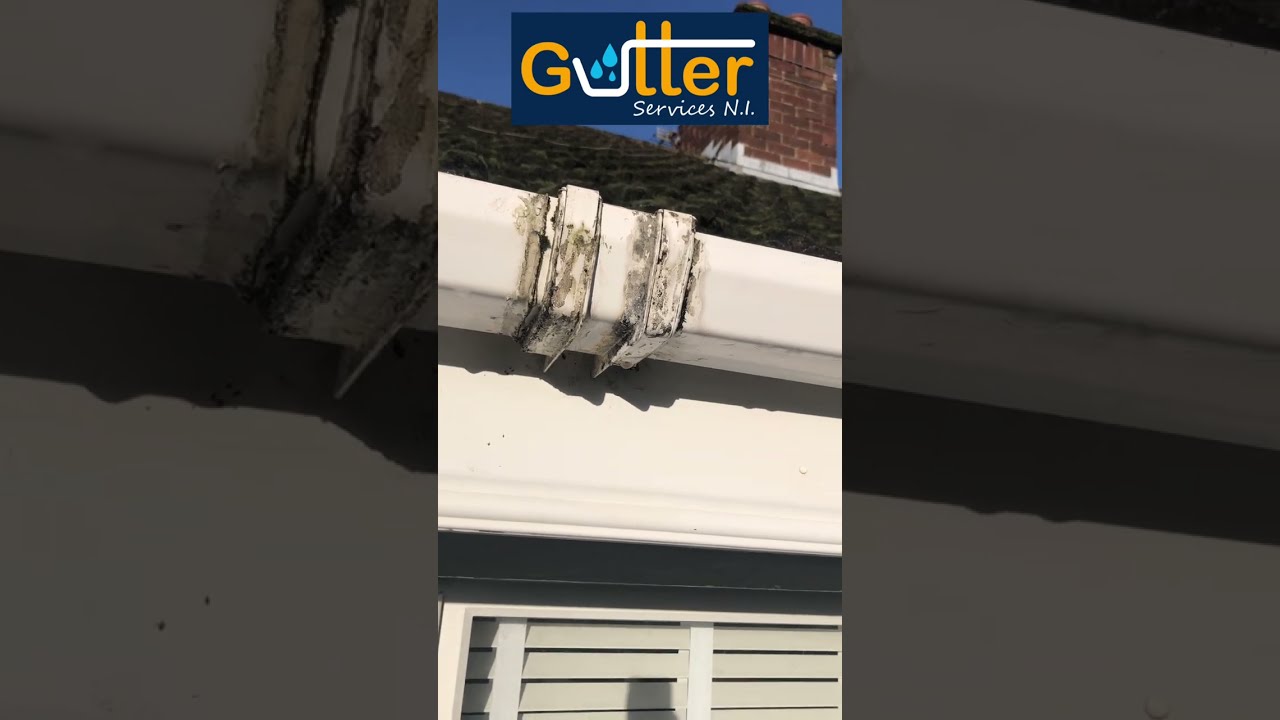
- Widespread deterioration: Numerous cracked, porous or crumbling tiles, or extensive rust across metal sheeting, indicates the material itself is failing.
- Recurring leaks: If you've paid for multiple repairs and leaks keep returning in different spots, the roof is likely failing as a system.
- Sagging roof lines: A dipping ridge or sagging sections can point to structural issues such as rotted timber or compromised trusses.
- Age beyond expected life: A roof at or past its expected lifespan is rarely worth heavy repair spending.
- Extensive water damage inside: Persistent ceiling stains, mould, damp insulation or rotting timbers suggest long-term water ingress.
- Asbestos roofing: Weathered asbestos cement sheeting is a safety concern and often best removed and replaced by licensed professionals rather than patched.
The 30 Percent Rule of Thumb
A practical way to compare costs is to look at the quote for repairs against the cost of replacement. If the repairs required approach roughly 30 percent or more of what a new roof would cost, and the roof is already ageing, replacement generally offers better value. You'd otherwise be spending a large amount of money on a roof that will still need replacing soon. Always factor in how many years the repair is realistically expected to buy you.
Warning Signs to Check for Yourself
You can gather useful information before calling a roofer. From the ground, or from inside your roof space with a torch, look for:
- Cracked, broken, or missing tiles and displaced ridge caps
- Rust, flaking paint, or visible holes in metal sheeting
- Daylight visible through the roof from inside the roof cavity
- Damp, stained or mouldy timber and insulation
- Water stains on ceilings and cornices after rain
- Excess moss, lichen, or granules and debris collecting in gutters
- Sagging or uneven roof lines
Never climb onto a roof without proper safety equipment and training. Falls from roofs are a leading cause of serious injury in home maintenance, and a professional inspection is a far safer option.
Cost Considerations in 2026
Roofing costs in Western Australia vary with material, roof size, pitch, access and the condition of the structure underneath. Minor repairs such as replacing a few tiles or re-pointing ridge caps are typically a small fraction of the cost of a full re-roof, while a complete replacement is a major investment that can run into the tens of thousands of dollars for an average home. Material and labour prices have remained elevated in recent years, which makes accurate, itemised quotes more important than ever.

When comparing quotes, look beyond the headline figure. Check what's included, such as removal and disposal of old materials, replacement of battens or sarking, new insulation, flashings, and gutters. A low quote that excludes these items can end up costing more.
Energy Efficiency and Long-Term Value
A roof replacement is also an opportunity to improve your home's comfort and running costs. Perth summers are hot, and the right roofing choices can make a noticeable difference. Lighter-coloured roofing with a higher solar reflectance reduces heat absorption, and adding sarking or upgraded insulation during a re-roof helps keep indoor temperatures stable. If you're considering rooftop solar, replacing an ageing roof before installing panels avoids the added cost of removing and reinstalling them later.
A new roof can also support your property's resale appeal. Buyers and building inspectors often flag an ageing or deteriorated roof, and having documented, recent roofing work provides reassurance.
Safety, Compliance and Choosing a Qualified Roofer
Roofing work in Western Australia should be carried out by suitably qualified and licensed tradespeople. For larger jobs, check that your contractor holds the appropriate registration, carries public liability insurance, and provides a written contract. Home building work above certain value thresholds also brings requirements around contracts, insurance and approvals, so confirm what applies to your project before work starts.
If your roof contains asbestos, do not attempt to drill, break, clean or remove it yourself. Removal must follow WA safety regulations and be carried out by appropriately licensed asbestos removalists. Disturbing weathered asbestos sheeting can release hazardous fibres.
When selecting a roofer in the Rockingham area, ask about:
- Licences, registrations and insurance certificates
- Experience with coastal conditions and your specific roofing material
- Written, itemised quotes covering labour, materials and disposal
- Workmanship warranties and manufacturer product warranties
- Timeframes, and how weather delays will be handled
Why a Professional Inspection Is Worth It
The most reliable way to decide between repair and replacement is a thorough inspection by an experienced local roofer. A professional can assess the condition of tiles or sheeting, check fixings, inspect the roof frame and sarking, and identify hidden moisture damage that isn't visible from the ground. Many roofers provide inspection reports with photos, which helps you understand exactly what's happening and compare advice between providers. Getting two or three opinions on a major job is sensible, particularly if the recommended work is extensive.
Preventative Maintenance to Extend Roof Life
Whatever you decide, a simple maintenance routine can delay or even avoid costly replacement. Aim to do the following at least once a year, and after major storms:
- Clear leaves and debris from gutters and valleys
- Trim overhanging branches that scratch or damage roofing
- Have ridge capping, flashings and fixings inspected
- Rinse salt build-up from metal roofing where practical
- Address small leaks and damaged tiles promptly
Coastal homes benefit especially from regular washing and inspection, since salt deposits left to accumulate can speed up corrosion on metal roofs and fittings.
Making the Right Call
Deciding between roof repair and replacement comes down to a few key factors: the age and material of your roof, the extent and cause of the damage, the cost of repairs relative to replacement, and your plans for the property. Isolated issues on a younger roof are usually best handled with repairs, while widespread deterioration, recurring leaks, structural problems or an ageing roof point towards replacement. In Rockingham's coastal environment, acting early matters, since small defects can quickly become larger and more expensive problems once salt air, wind and rain get involved.
If you're unsure where your roof stands, book a professional inspection with a reputable local roofing contractor. A clear assessment and an itemised quote will give you the facts you need to protect your home, your budget and your peace of mind for years to come.
Rockingham Roof Restoration
Unit 7, 8 Livingstone Rd, Rockingham WA 6168
(08) 9515 3009